
Best shoes for Sever’s disease – How to reduce heel pain and stay active

Updated: Aug 20
If your child has been diagnosed with Sever’s disease, their shoes can make a big difference to their pain and can help them to stay active while the injury recovers. In this guide, we explain what features to look for, which shoes might aggravate symptoms for a while, and simple workarounds you can use without having to replace your child’s entire shoe collection.
Remember, if you need help with Sever's or an Achilles-related injury, you're welcome to consult one of our team via video call.

In this article:
We've also made a video about this:
This article contains affiliate links. We might earn a small commission on sales at no extra cost to you.
The right shoes can have a huge impact on your child's recovery, but it's only one aspect of what is needed to successfully treat Sever’s and to prevent it from recurring. You can find more information about the full treatment process for Sever's here.
What general features to look for in shoes
We will share specific shoe and brand recommendations lower down in the article, but let’s first look at the general features that make a shoe good for Sever’s. If you understand these, you might not have to buy new shoes – often you can simply modify the current ones until your child's pain settles.
There are three main factors that usually increase a child’s pain when they have Sever’s:
If something rubs or presses directly against the injured area on the heel.
If something causes the calf muscle and Achilles tendon to pull tight or stretch – we’ve seen in our other article where we discussed the causes of Sever’s that it’s a traction apophysitis – in other words, Sever’s is caused by excessive pulling of the Achilles on the growth plate at the heel bone.
Hard impact between the heel and the ground.

👍 So, the best shoes for a child with Sever’s are ones that:
don’t press directly on the painful area
have a slight heel – referred to as shoes with a higher heel-to-toe-drop; having the heel slightly higher than the toes reduces the amount of stretch and pulling on the calves and Achilles tendons as you walk and run
provide good cushioning.
For some children, other factors such as foot posture should also be considered; we discuss this next.
Foot posture considerations
Part of assessing how to deal with Sever’s disease is looking at your child’s foot posture – this can influence which types of shoes feel most comfortable and supportive.
Some children have flatter foot arches, which might make them prone to overpronation (foot rolling inwards excessively when they walk or run).
Others have higher arches, which make them prone to supination (foot rolling outwards when they walk or run). In running shoe jargon, this is sometimes called "underpronation".
Some fall somewhere in between.
💡 Our feet naturally move through some pronation and supination as we walk, run, and jump. It is only if these movements are excessive that they might cause problems. Also, just because your foot is shaped in a specific way, does not mean you will definitely overpronate or oversupinate.
It’s best to get your child’s movement assessed by a professional (physiotherapist or podiatrist) if you suspect it might be part of the problem.

If your child does tend to overpronate, choosing trainers or running shoes designed specifically for this can help. These shoes usually have denser foam along the inner part of the sole, which helps to reduce the excessive motion. For excessive supinators, the extra support is usually along the outer part of the shoe.
👍 If you’re unsure, go for neutral support shoes – you can easily adapt them later by adding specific insoles if needed.
How to modify current shoes
It might not be necessary to spend money on new shoes. Sometimes, it can help to simply stick to wearing a specific shoe your child already has and avoiding others until their symptoms have settled.
For example, if they have trainers that are well-cushioned and that have a slightly higher heel, those might be the ones to wear while they avoid walking in bare feet or with flip-flops or other flat shoes.
Some families carefully modify older soft trainers by removing a bit of padding at the back to create more space around the sore area. The aim is comfort – not changing the structure or support of the shoe – so don’t remove too much.
You can temporarily increase the heel-to-toe drop in your child’s shoes by adding some removable heel wedges or gel heel cups. The gel heel cups also increase the amount of cushioning, which might be useful. There are even some soft ankle sleeves with built in heel lifts that might be useful if your child does sports that require them to be barefoot, e.g. gymnastics.
💡 Always use shoe inserts or heel lift ankle sleeves for both feet to keep things even.
Here are examples of products on Amazon that might be useful:
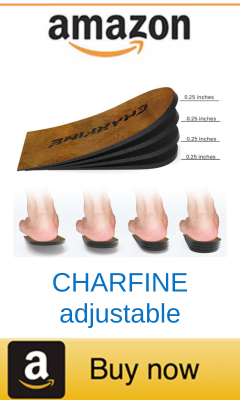
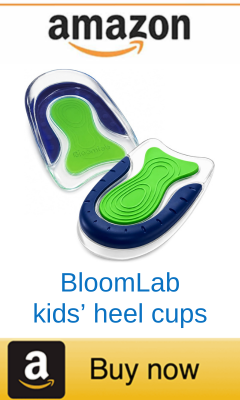
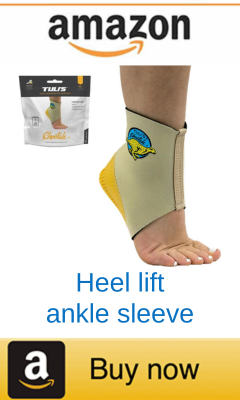
If you have previously bought good, cushioned shoes, it might be worth checking whether your child’s current footwear is worn out – uneven tread, collapsed support, or excessive wear can reduce stability and make symptoms worse.


Good sneaker/trainer/running shoe options for Sever's
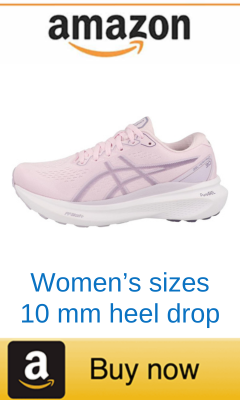
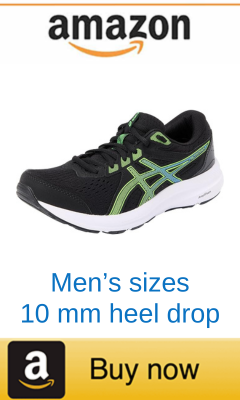
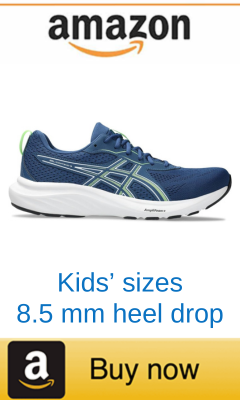
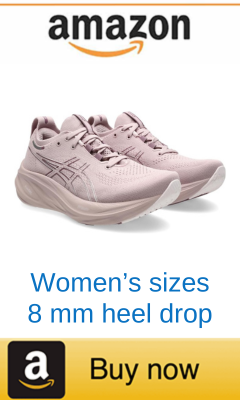
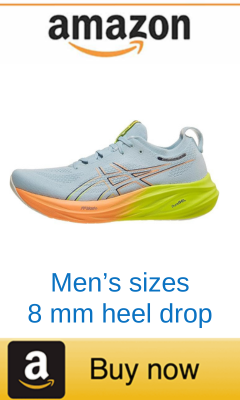
For Sever’s disease we find that Asics running shoes are usually a good option. Most Asics models have a decent heel-to-toe drop and come in kids’ and adult sizes. (The colours shown below are just for illustration - there are many colour combos to choose from!)
If you're sure that your child doesn't overpronate or oversupinate, it's best to go for shoes with overpronation/neutral support.
Overpronation/neutral support sneakers/trainers/running shoes
If your child overpronates, these shoes might help to improve their movement pattern.
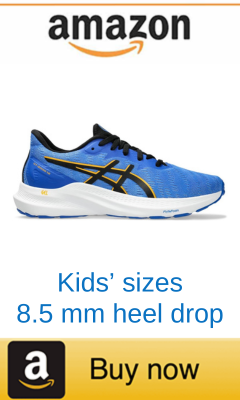
Supination/neutral support sneakers/trainers/running shoes
If your child oversupinates, these shoes might help to improve their movement pattern.
Sandal recommendations
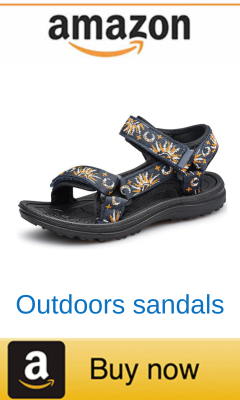
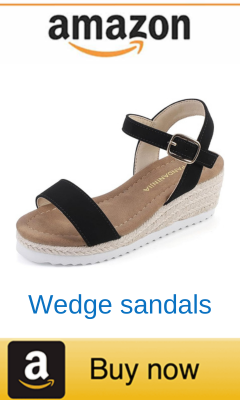
Shoes or sandals that avoid rubbing on the sore area can be helpful. For example, footwear with an open back or a strap positioned higher above the heel might feel more comfortable for some children.
Shoes to avoid (for a while)
Certain types of footwear are more likely to irritate a sore heel and your child might have to limit or avoid wearing them while the symptoms settle.
Very flat, non-cushioned shoes can be problematic because they lack heel lift and shock absorption. Examples include ballet pumps and some rigid, formal school shoes.
Shoes that require the child to grip with their toes to keep them on can also aggravate symptoms. Flip-flops, loose-fitting Wellington/waterproof boots, or slip-on sandals without supportive straps might force the foot to work harder and increase irritation.
Rigid sports footwear – such as football or rugby boots – might feel uncomfortable if the heel counter is firm and presses on the sore area. When possible, reducing time spent in these shoes or switching to softer options during training might help.

What if there’s no choice?
Sometimes, children must wear certain shoes for school or sport and other extracurricular activities. When changing footwear isn’t possible, small workarounds can reduce irritation.
It can help to speak with teachers or coaches about temporary footwear adjustments, such as allowing trainers during the school day or modifying PE requirements for a short period. Your child's physio can provide supporting letters to help with these conversations.
Some practical tips:
Add heel wedges or gel heel cups to increase heel height and cushioning – place them in both shoes to keep walking symmetrical.
Use old insoles or double socks to improve fit in loose footwear like Wellington boots.
Limit the time spent standing when the child cannot change shoes.
Change into more comfortable footwear before and after school or sports sessions.
In some cases, it might also help to reduce the time they spend on their feet during drills or activities – for example, sitting when listening to instructions or choosing floor-based exercises when possible.
How we can help
Need help with your Achilles or related injury? You’re welcome to consult one of the team at TMA online via video call for an assessment of your injury and a tailored treatment plan.

We're all UK Chartered Physiotherapists with Master’s Degrees related to Sports & Exercise Medicine or at least 10 years' experience in the field. All of us have a wealth of experience working with athletes across a broad variety of sports and ranging from recreationally active people to professional athletes. You can meet the team here.


About the Author
Alison Gould is a chartered physiotherapist and holds an MSc in Sports and Exercise Medicine. You can follow her on LinkedIn, Facebook, Instagram, and Twitter.

